

Lip Waxing Gallery
$$MultiPurposeText$$
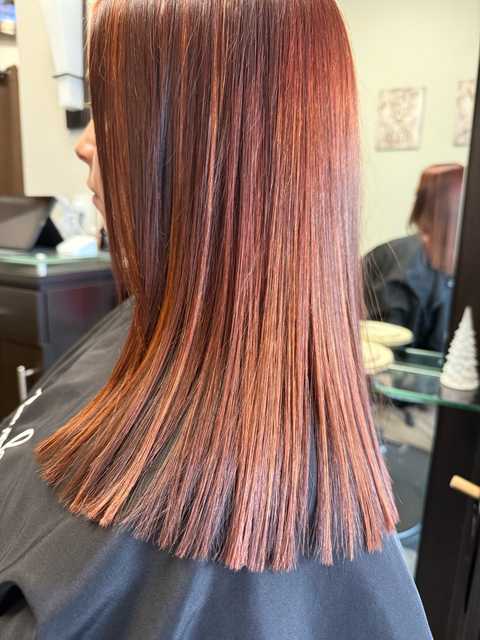
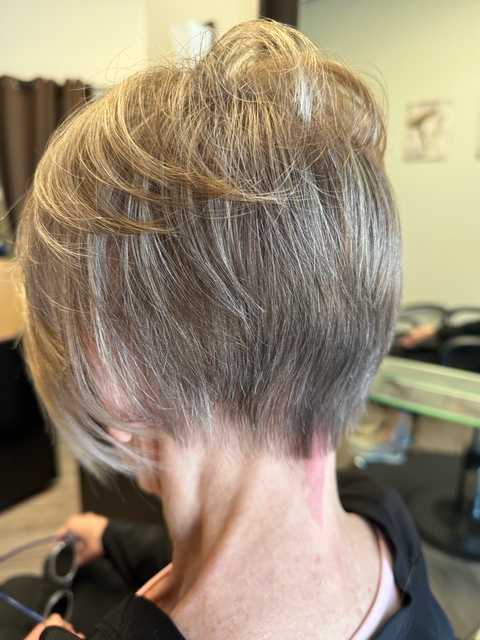
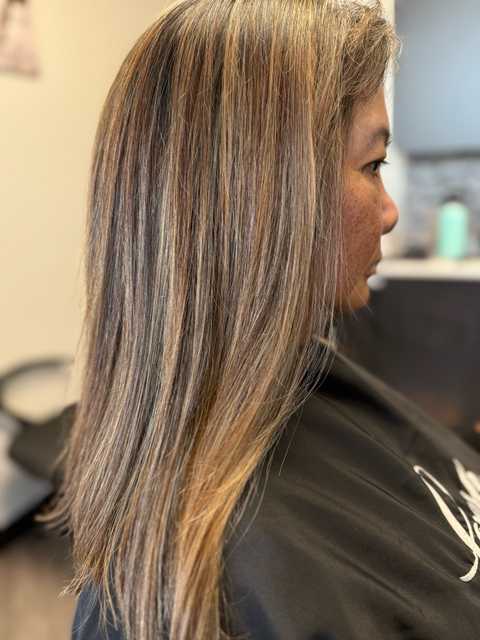
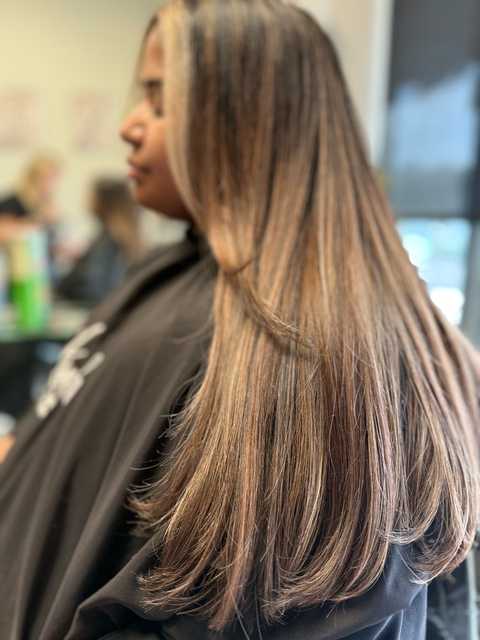
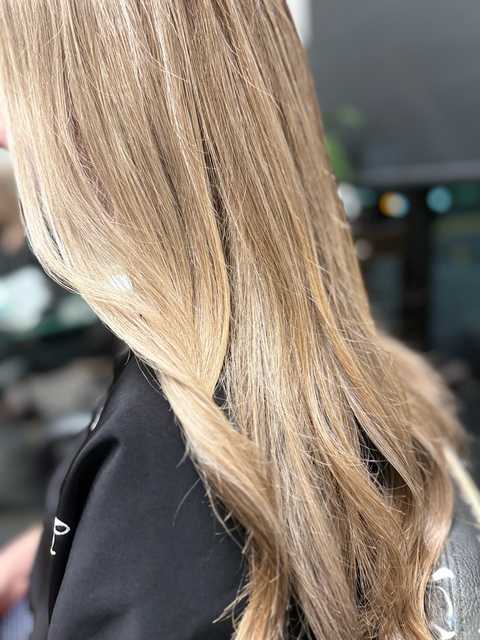
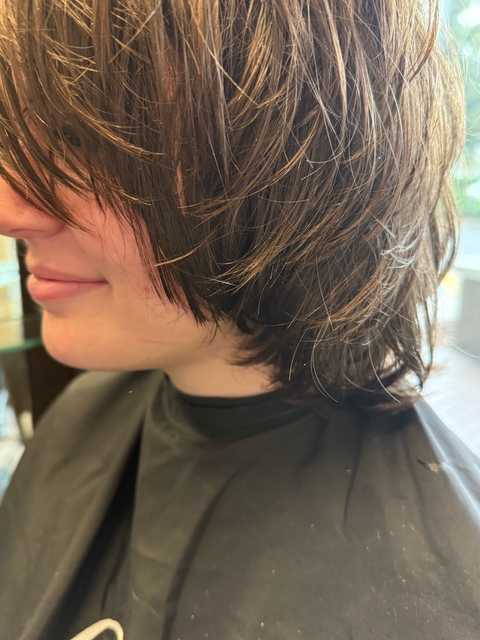
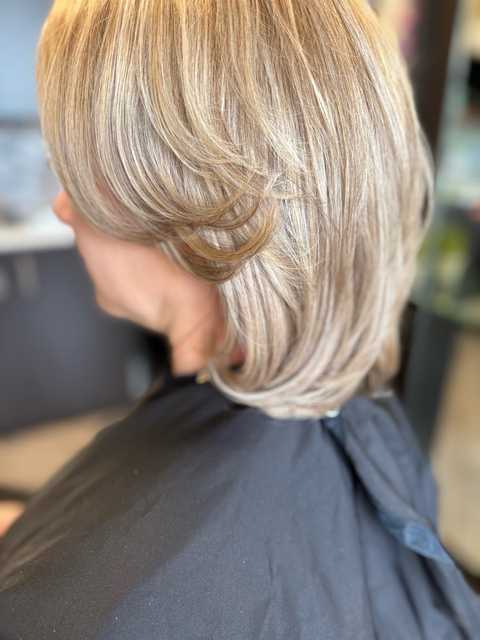
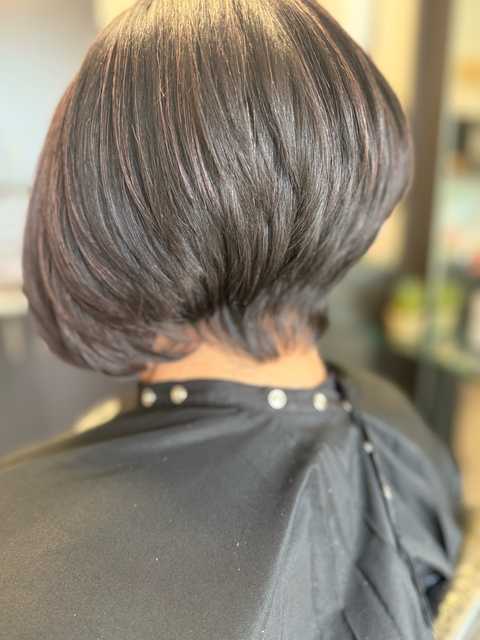
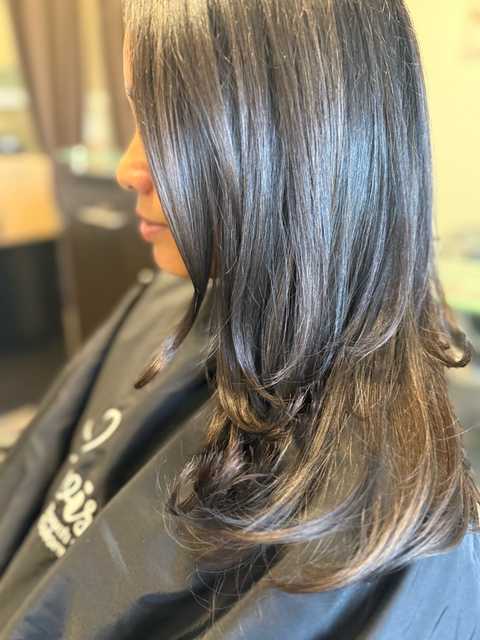
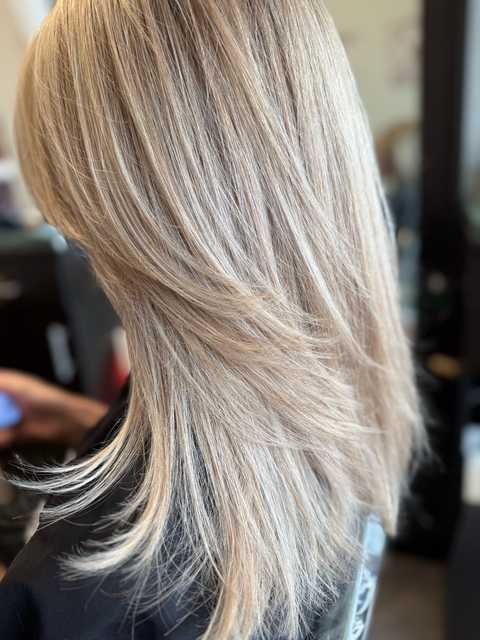
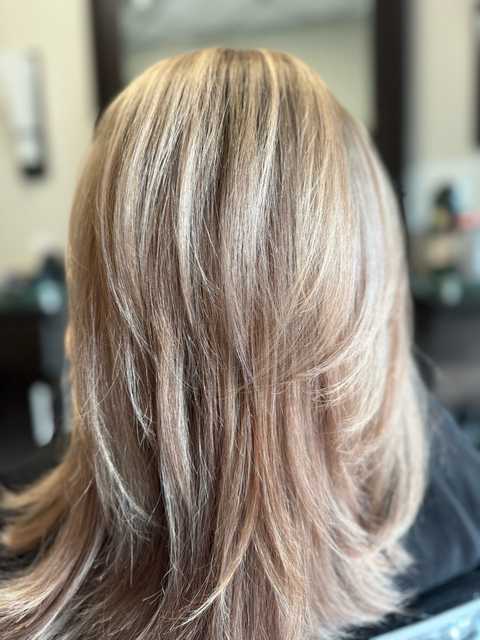
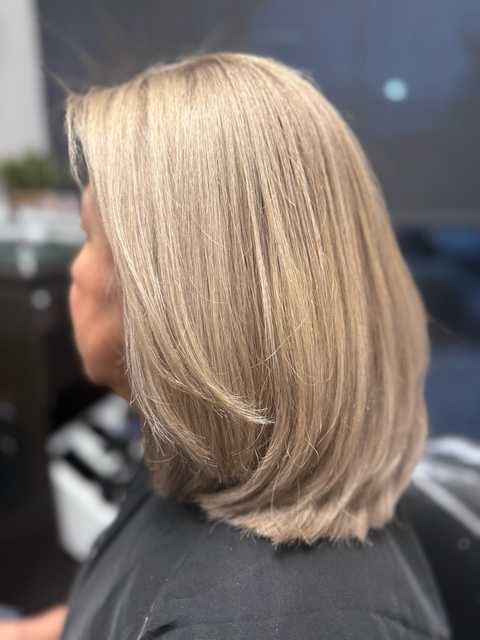
See examples of our Lip Waxing work and results.
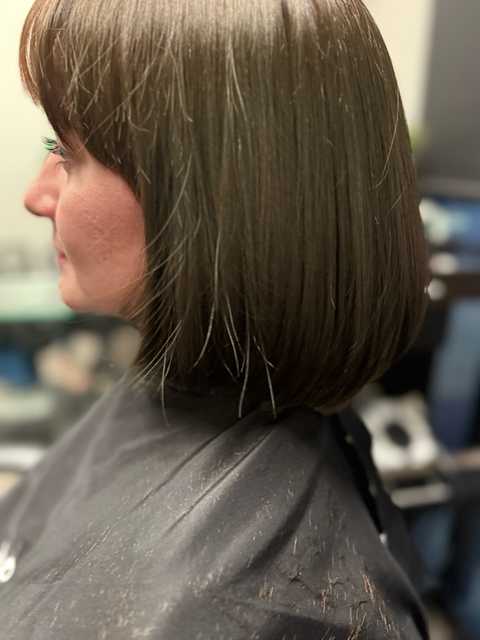
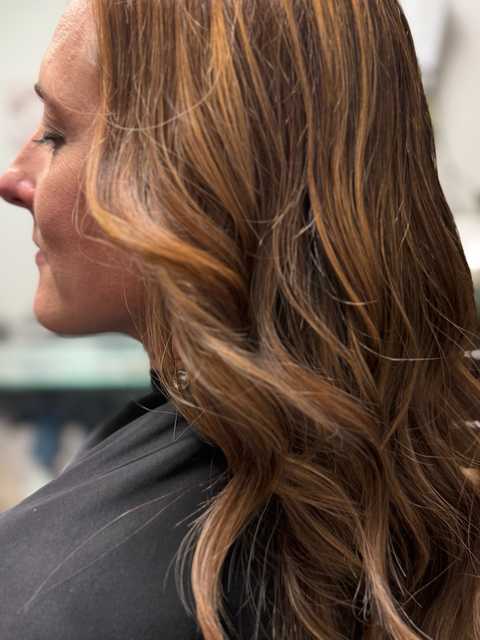
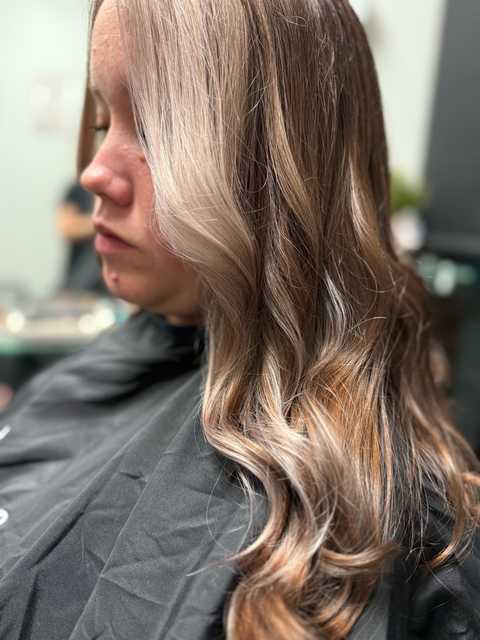
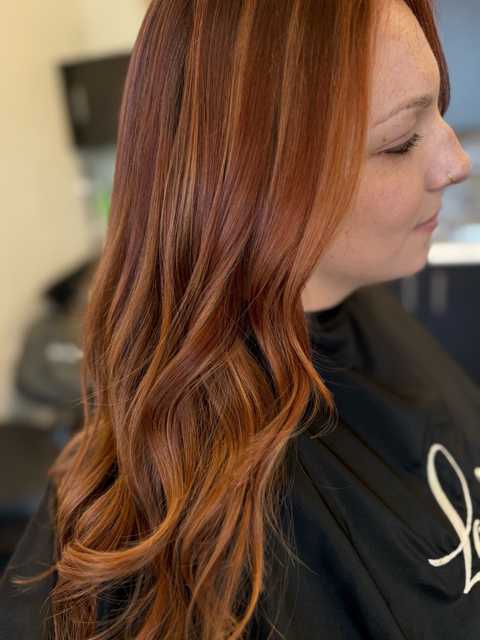


What Our Clients Say
$$MultiPurposeText$$
Read testimonials from our satisfied customers

My daughter and I went to Renee for a root touch up and highlights and she was fabulous!!!...more

I absolutely love Renee, she is the best! She takes such good care of my hair, and leaves ...more

I have gone to Lavish for almost 3 years and I’ve never been disappointed. The prices are...more

Renee was so meticulous, detailed, and thorough. She made sure to take her time to ask any...more

Renee did an amazing job, as always!

Great hairstylist. She was super nice. I didn’t feel awkward for a moment while I was ther...more

Frequently Asked Questions
Get answers to common questions about Lip Waxing.
Most clients experience smooth, hair-free lips for about three to six weeks, depending on individual hair growth cycles and aftercare. Regular waxing can slow regrowth and produce finer hair over time, extending intervals between visits.
Discomfort is usually brief and tolerable; most clients describe a quick sting. To reduce sensitivity, avoid caffeine, exfoliate lightly beforehand if advised, and apply a numbing cream or cold compress as recommended by your technician.
Yes, many with sensitive skin can be safely waxed using gentle formulas and post-care. We perform a skin assessment, use soothing waxes, and provide cooling treatments. If you have severe allergies or active rash, we may recommend alternative hair removal.
Arrive with clean, makeup-free skin and avoid heavy exfoliation within 24 hours. If you’re on retinoids or certain acne medications, inform us beforehand. Let hair be about one-quarter inch for optimal wax grip and effectiveness.
Avoid touching, applying makeup, or heavy creams for 12–24 hours. Use gentle soothing products like aloe and avoid sun exposure or exfoliation for 48 hours. If redness or bumps persist, apply recommended calming lotion or contact us for advice.
When performed correctly, waxing rarely causes scarring. Ingrown hairs can occur but are minimized with proper exfoliation, post-wax soothing, and avoiding picking. We offer guidance and treatments to prevent and treat ingrowns, including gentle exfoliants and calming serums.